

Accurate cash flow forecasting is the process of predicting the timing and amount of cash entering and leaving a business. It differs from profit forecasting because it focuses on actual liquidity rather than accounting earnings. For owners, this discipline ensures the company can meet its obligations without unexpected shortfalls. Relentless CFO helps business owners build these models to turn financial complexity into clarity.
The Difference Between Profit and Cash
Many owners confuse revenue with cash. A business can show a profit on its income statement while still running out of cash. This happens when sales are made on credit or when large expenses are paid upfront. Cash flow forecasting tracks the actual movement of funds. It reveals when money is truly available to pay bills and salaries.
Consider a service provider that invoices clients on net-30 terms. The revenue is recognized when the service is delivered, but the cash arrives a month later. If the provider pays rent and payroll on the first of the month, a gap exists. This gap is where cash flow forecasting provides critical visibility. It highlights the timing mismatch before it becomes a crisis.
Building a Reliable Forecast Model
A reliable forecast starts with historical data. You need at least twelve months of bank statements and general ledger reports. This baseline shows your typical spending patterns and revenue cycles. From there, you project future inflows and outflows. The goal is to create a rolling forecast that updates as new information arrives.
Relentless CFO emphasizes that a static annual budget is not a forecast. A forecast is a living document. It should be updated monthly or quarterly. This allows you to adjust for changes in market conditions or business strategy. By keeping the model current, you maintain a clear view of your financial runway.
Key Components of a Cash Flow Statement
For example, a company might have strong operating cash flow but negative financing cash flow due to loan repayments. This is a normal part of growth. However, if operating cash flow turns negative, it signals a problem in the core business. Understanding these components allows you to make targeted adjustments. You can focus on improving collections or reducing unnecessary expenses.
Common Pitfalls in Forecasting
One common error is assuming revenue equals cash. Another is ignoring seasonal trends. Many businesses have peak and slow periods. A forecast that averages out these fluctuations will be inaccurate. You must account for seasonality in your projections. This ensures you have enough cash during slow months.
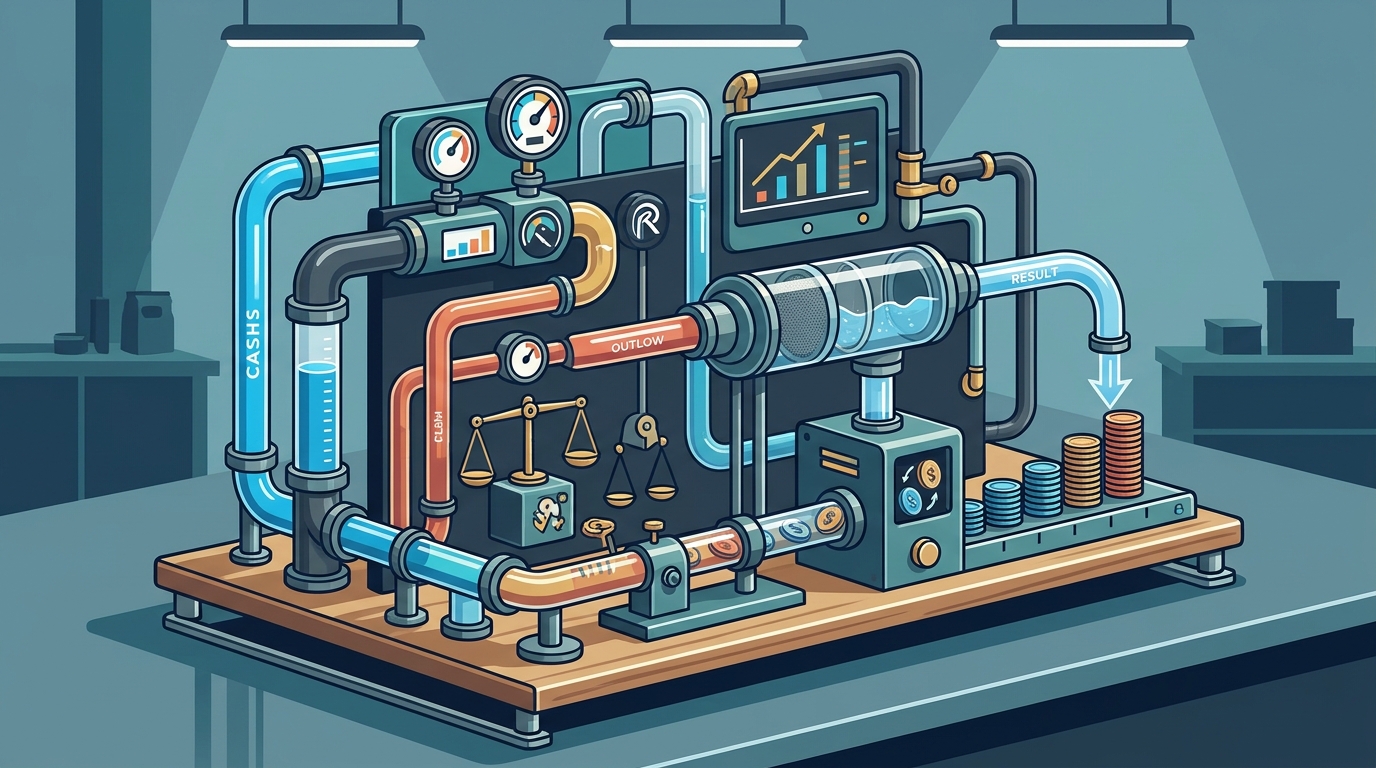
Using Forecasts for Strategic Decisions
Cash flow forecasting is not just about survival. It is a tool for strategic planning. When you know your cash position, you can make informed decisions about growth. You can determine if you can afford a new hire, a marketing campaign, or a new location. This confidence comes from having a clear picture of your liquidity.
Key Takeaways
- Cash flow forecasting tracks the timing of cash movements, not just revenue.
- A rolling forecast updated monthly provides more value than a static annual budget.
- Separating operating, investing, and financing activities clarifies cash sources.
- Seasonal trends and one-time expenses must be included in accurate projections.
- A cash buffer protects the business from unexpected disruptions.
- Forecasts enable strategic decisions by aligning financial resources with business goals.
Frequently Asked Questions
How often should I update my cash flow forecast?
You should update your cash flow forecast at least monthly. This allows you to adjust for changes in revenue and expenses. A monthly update keeps the model relevant and actionable.
What is the difference between a budget and a forecast?
A budget is a static plan for a specific period. A forecast is a dynamic projection that updates as new data becomes available. Forecasts reflect current reality, while budgets reflect past intentions.
Do I need a full-time CFO to build a cash flow forecast?
No, you do not need a full-time CFO to build a basic forecast. However, expert guidance can improve accuracy and strategic value. Fractional CFO services provide this expertise without the cost of a full-time hire.
What tools can I use for cash flow forecasting?
You can use spreadsheet software or dedicated financial planning tools. The choice depends on the complexity of your business. The key is to use a tool that allows for easy updates and scenario analysis.
How much cash should I keep in reserve?
The amount of cash reserve depends on your industry and risk tolerance. A common guideline is to keep three to six months of operating expenses. This buffer provides a safety net against unexpected events.
Conclusion
Accurate cash flow forecasting is essential for any growing business. It provides the visibility needed to make confident financial decisions. By understanding the difference between profit and cash, building a reliable model, and avoiding common pitfalls, you can protect your business and support its growth. Relentless CFO is ready to help you build a world-class finance function. to start your journey toward financial clarity.