

Accurate cash flow forecasting is the backbone of sustainable business growth. It allows owners to anticipate liquidity gaps before they become crises. Relentless CFO helps med spa and aesthetic practice owners turn financial complexity into clarity by implementing these precise forecasting steps.
1. Reconcile Your Historical Cash Data
Start with clean, reconciled historical data to establish a reliable baseline. You cannot predict the future if your past records are inaccurate. Ensure your bank accounts, credit cards, and general ledger are fully reconciled for the last 12 to 24 months. This step identifies any unrecorded transactions or timing discrepancies that could skew your projections.
2. Separate Cash from Accrual Accounting
Understand that cash flow is distinct from profit. Cash flow is the actual movement of money in and out of your business, whereas accrual accounting records revenue when earned and expenses when incurred. Many owners confuse net income with cash availability. You must build your forecast based on when cash actually hits the bank, not when invoices are sent.
3. Model Your Revenue with Realistic Scenarios
Build three distinct revenue scenarios: conservative, expected, and optimistic. Do not rely on a single linear growth projection. Consider seasonality, client retention rates, and new service launches. For med spas, this might mean modeling the impact of holiday gift card sales or seasonal skin care trends. This approach prepares you for volatility rather than assuming steady growth.
4. Categorize and Forecast Operating Expenses
Distinguish between fixed and variable costs to understand your cost structure. Fixed costs, such as rent and software subscriptions, remain relatively stable. Variable costs, like product inventory and commission-based payroll, fluctuate with revenue. Accurately forecasting these categories ensures you do not underestimate expenses during high-growth periods or overestimate them during slower months.
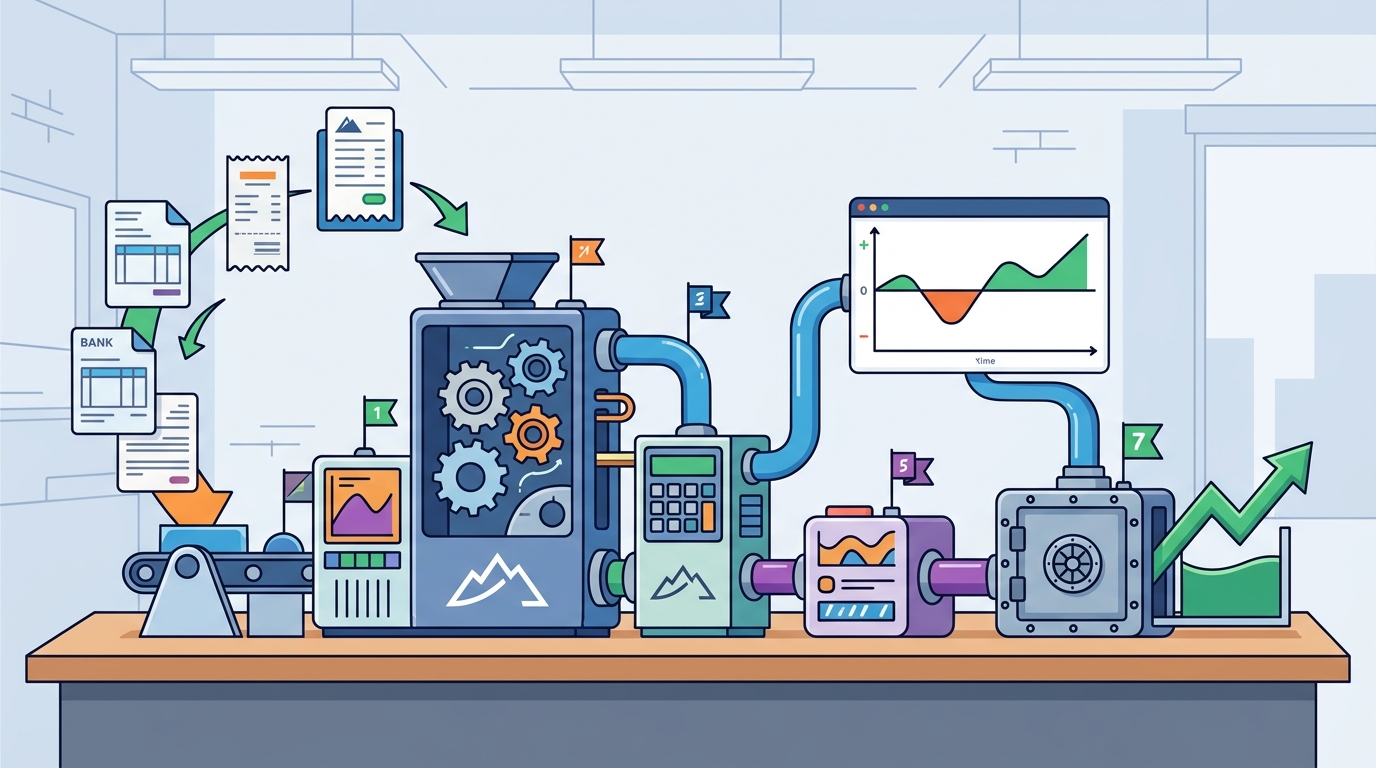
5. Account for Working Capital Changes
Track changes in accounts receivable, accounts payable, and inventory. Working capital is the difference between your current assets and current liabilities. If you are selling on credit, cash is tied up until clients pay. If you are buying inventory in bulk, cash leaves your account before you sell the product. Ignoring these timing differences is a common cause of forecast failure.
6. Include Capital Expenditures and Debt Service
Do not forget major one-time purchases and loan repayments. Capital expenditures, such as new equipment or facility renovations, require significant cash outflows. Debt service includes the principal and interest payments on any business loans. These items often appear in the cash flow statement but are easily overlooked in quick revenue-based forecasts.
7. Review and Update Monthly
Treat your forecast as a living document that requires monthly updates. A static forecast becomes obsolete quickly as market conditions change. Compare your actual results against your forecast each month to identify variances. This continuous feedback loop allows you to adjust assumptions and maintain accuracy over time. according to The Use of
Choosing the Right Approach
Select the level of detail based on your business stage. Early-stage businesses may benefit from a simple 13-week cash flow view. Established companies with complex operations should use a detailed 12-month rolling forecast. The goal is not perfection, but consistent visibility into your liquidity position.
Frequently Asked Questions
How often should I update my cash flow forecast?
You should update your cash flow forecast monthly. This allows you to compare actual performance against your projections and adjust for any significant changes in revenue or expenses.
What is the difference between a cash flow forecast and a budget?
A budget is a plan for expected income and expenses over a period, often based on accrual accounting. A cash flow forecast specifically tracks the timing of cash inflows and outflows to ensure you have enough liquidity to operate.
How far into the future should I forecast?
Most businesses should forecast at least 12 months into the future. For detailed weekly or monthly cash management, a 13-week cash flow forecast is often sufficient for short-term liquidity planning.
Do I need a CFO to build a cash flow forecast?
While you can build a basic forecast yourself, a fractional CFO can provide strategic oversight. They help ensure your assumptions are realistic and that the forecast aligns with your broader business goals.
What are the most common mistakes in cash flow forecasting?
Common mistakes include confusing revenue with cash, ignoring working capital changes, and failing to update the forecast regularly. These errors can lead to unexpected cash shortages.
Next Steps for Financial Clarity
Building an accurate cash flow forecast is a critical step toward financial stability. If you are struggling to keep up with the complexity of your numbers, Relentless CFO can help. to discuss how our fractional CFO services can bring clarity to your financial planning.